
Star Anise : Origin, Grades, Quality & Global Spice Journey
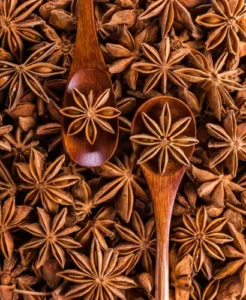
Star Anise — Have You Ever Wondered Why This Spice Looks Like a Star?
The first time most people see star anise, they usually pause for a second.
Is it a flower?
Is it decorative?
Or is it really a spice?
And honestly, that reaction makes sense.
Among all spices used in kitchens around the world, star anise is probably one of the most visually unique. Its perfectly shaped star structure almost feels designed rather than grown naturally.
But the moment you smell it, you realize this spice is far more than just beautiful.
Warm, sweet, slightly spicy, and deeply aromatic — star anise has quietly become one of the most influential spices in global cuisine.
And yet, many people still know very little about it.
So let’s explore it together.
Where Does Star Anise Actually Come From?
If you’ve ever tasted authentic Asian broths or rich spice blends, chances are you’ve already experienced star anise without realizing it.
Star anise is mainly cultivated in countries like China and Vietnam, where the climate naturally supports its growth. These regions remain among the largest producers supplying global spice markets today.
In India, cultivation is still limited compared to mainstream spices, but northeastern regions like Arunachal Pradesh and parts of Nagaland have suitable climatic conditions where cultivation is gradually growing.
And this is where things become interesting.
Unlike many common spices that grow quickly, star anise comes from evergreen trees and requires patience, proper climate, and careful harvesting.
Which is also one reason why good-quality star anise holds strong value in international markets.
But Why Is It Called “Star” Anise?
Well… just look at it.
Nature itself shaped this spice like a star.
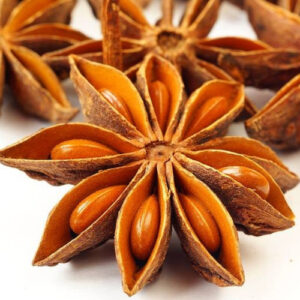
Each fruit develops into multiple pointed segments arranged in a circular formation. Most stars contain around six to eight points, and inside every segment sits a shiny seed.
That naturally formed structure is exactly what gives star anise its name.
And despite the word “anise,” many people are surprised to learn that star anise is not directly related to anise seed.
They simply share a similar sweet-aromatic flavor because both contain a natural compound called anethole.
But star anise is much bolder, warmer, and deeper in aroma.
Have You Noticed That Some Star Anise Smells Stronger Than Others?
That difference is real.
Not all star anise is equal.
Some have a rich, sweet aroma the moment you open the pack. Others feel dull, dry, or weak.
And this usually comes down to quality, grading, freshness, and oil content.
Professional buyers and chefs often evaluate star anise based on:
- Shape uniformity
- Color consistency
- Aroma strength
- Number of complete stars
- Presence of broken pieces
- Overall freshness
Premium-quality star anise usually has:
- Well-defined star shapes
- Thick segments
- Rich reddish-brown color
- Strong sweet aroma
Lower grades may contain broken stars or weaker fragrance, which affects both flavor and presentation.
This matters especially in HORECA kitchens, where ingredients are judged not only by taste but also by consistency and visual appeal.
Why Is Star Anise Becoming More Popular Globally?
A few years ago, star anise was mostly associated with traditional Asian cooking.
Today, things have changed.
Chefs, food brands, tea companies, bakeries, and even wellness product manufacturers are increasingly using star anise because of its versatility and strong aromatic profile.
It now appears in:
- Spice blends
- Herbal teas
- Soups and broths
- Gourmet desserts
- Slow-cooked gravies
- Flavored beverages
And perhaps the most fascinating part is this:
Even a small quantity can completely change the personality of a dish.
That’s the power of aromatic spices.
Final thought for this blog
The next time you see star anise, don’t just think of it as another spice sitting quietly on a shelf.
Think about the journey behind it — the farms, the harvesting, the aroma locked inside those star-shaped segments, and the way one small spice can influence an entire dish.
Because some ingredients don’t just add flavor.
They create identity.
🌟 Coming Next
In the next blog, we’ll explore something even more exciting:
Why does star anise taste different in different dishes?
How much should actually be used while cooking?
Can it really be used in desserts and beverages?
And how do chefs identify good-quality star anise instantly?
Stay connected as we continue decoding the aroma, flavor, and real culinary behavior of star anise.
www.d-naturals.in / contact@d-naturals.in / +918779003552