Cassia Cinnamon: Grading, Oil Content & How Professional Buyers Evaluate Quality
We continue exploring Cassia cinnamon — but this time, we step inside the buying room.
Because when it comes to bulk purchasing, cinnamon is not just bought , it is thoughtfuly bought for performance.
Professional buyers don’t just look at color or aroma. They look at grading standards, volatile oil percentage, bark thickness, moisture content, and breakage levels. These factors directly impact yield, flavour consistency, and storage life.
Let’s understand Cassia Cinnamon Grading
Cassia cinnamon is generally graded based on few factors like its Thickness , Uniformity , color , Cleanliness , length , and Breakage ratio.
Higher grades Cinnamon have Strong aroma , Minimal dust , controlled moisture and its sticks are Uniform.
Lower grades are mostly suitable for grinding and not for premium presentation. Anyone who are into cinnamon powder production or who use cinnamon powder , may prefer Lowe grade Cassia Cinnamon.
Oil Content Percentage: The Real Quality Indicator
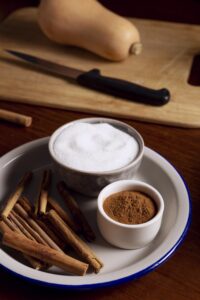
The essential oil content in Cassia cinnamon is one of the most critical quality markers.
Typical volatile oil content ranges between:
1% to 4%, depending on origin and processing.
Higher oil content means:
Stronger aroma
Better flavour retention
Higher extraction efficiency in beverages and sauces , bought by Professionals..
Professional buyers highly prefer lab test report for oil content and moisture level…Because in commercial kitchens and manufacturing units , Predictability = Profitability.
How HORECA Buys Cinnamon
Now let’s talk practically.
Hotels, restaurants, and catering units (HORECA) do not buy cinnamon casually. Their decisions are based on many important factors which shows and make their food standard high and tasty too.. These are :
Menu style
Cuisine type
Storage space
Turnover volume
Cost control
Shelf stability and few others …
How HORECA Prefers to Buy & Store

Most HORECA buyers prefers to buy depending on their requirement based on their menu and taste. They generally demand Bulk packaging of 5kg / 10kg/ 25 kg cartons. Package should have Vacuum sealed lining. Its moisture level should be controlled and are stored in Moisture controlled area.
They store cinnamon in:
Cool, dry areas
Airtight containers
Away from direct light
Shelf life of whole Cassia sticks are approx 2 to 3 years if stored correctly and for the powdered cinnamon , shelf life decreases to 6 to 12 months.
Professional kitchens often prefer whole sticks for long storage, and grind in batches to preserve aroma.
Cassia or Ceylon — What Does HORECA Prefer?
In today’s market: Where Luxury hotels & wellness-focused brands often prefer Ceylon cinnamon for its mild sweetness and lower coumarin content. High volume restaurants , bakeries, beverage chains and QSR brands largely prefer Cassia cinnamon because of its bold flavour and cost efficiency as well as better compatibility in masalas , gravies and baked goods.
The buying decision of Cinnamon depends on its purpose:
| Use Case | Preferred Type |
|---|---|
| Garam Masala | Cassia |
| Mulled beverages | Cassia (strong aroma) |
| Premium desserts | Ceylon |
| Health-focused menus | Ceylon |
| Large-scale baking | Cassia |
| Spice blends | Cassia |
Production & Supply Chain Insight
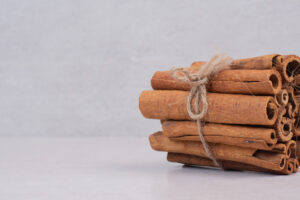
Cassia cinnamon is primarily cultivated in parts of China , Vietnam and Indonesia. The bark of cinnamon are cut , sun-dried, Rolled , Graded and finally packed for export.
Quality variations arise due to various reasons which are soil conditions , rainfall , drying practices and how they are stored before export.
Today’s buyers are increasingly demanding the traceability , food safety certifications , oil profile and residue compliance. Market is shifting from cheap spice supply to standardized raw material.
Cinnamon is no longer just a spice – it is an ingredient with technical parameters
If you are a chef, food manufacturer, or HORECA buyer looking for graded, oil-rich, and quality-tested Cassia or Ceylon cinnamon, connect with CHIVES™.
As we conclude our journey through cinnamon, we move into another essential chapter in the world of spices.
In our next series, we explore peppers — black and white, two ingredients that shape flavour across cuisines yet are often misunderstood in terms of sourcing, grading, and usage.
From sharp heat to subtle depth, we’ll break down how these spices influence taste, texture, and culinary identity.
Stay connected as we continue uncovering the knowledge behind the ingredients that define great food.
Email: contact@d-naturals.in
Website: www.d-naturals.in
Let’s make your flavour consistent, not accidental.