
Black Pepper vs White Pepper — What Really Sets Them Apart (From Farm to Final Dish)
When people hear “pepper,” they often assume it’s a single, simple ingredient. But in reality, the difference between black pepper and white pepper is not just visual—it’s deeply connected to harvesting stage, processing method, oil content, flavor behavior, and ultimately, how it performs in a dish.
If you are a chef, a buyer, or even a conscious consumer, understanding this difference changes the way you choose and use pepper.
It All Starts at the Same Plant… But Not the Same Moment
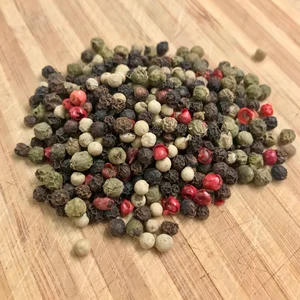
Both black and white pepper come from the same vine, grown extensively in regions like Kerala, and globally in Vietnam and Brazil.
The real difference begins at harvesting stage.
Black pepper is harvested when the berries are still green and unripe. These are then sun-dried, during which they wrinkle and turn black. This drying locks in essential oils, giving black pepper its sharp, pungent, and layered heat.
White pepper, on the other hand, is harvested when the berries are fully ripe (red stage). The outer skin is removed through soaking and rubbing, leaving behind the inner seed. This process removes some of the volatile oils, resulting in a milder, smoother, and more earthy flavor.
So the difference is not artificial—it’s a natural outcome of timing and processing.
The Real Difference in Flavor and Aroma
If you taste them side by side, the difference becomes very clear.
Black pepper feels lively, sharp, and aromatic. It hits quickly and leaves a warm, lingering heat. This is why it is widely used in Indian cooking, spice blends, grilled foods, and seasoning mixes.
White pepper is more subtle and rounded. It doesn’t hit as aggressively. Instead, it blends into the dish, adding depth without dominating. That’s why it is preferred in continental cuisine, soups, sauces, and light-colored dishes.
In simple terms:
- Black pepper stands out
- White pepper blends in
How a Common Person Can Identify the Difference
Even without technical knowledge, you can easily tell them apart.
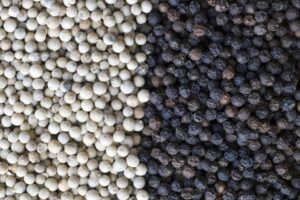
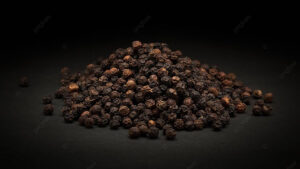
Visually, black peppercorns are dark, wrinkled, and rough, while white peppercorns are smooth, pale, and slightly creamy in color.
If you crush them, black pepper releases a strong, spicy aroma immediately, whereas white pepper has a more fermented, earthy smell.
Taste is the clearest indicator. Black pepper gives a sharp kick. White pepper feels softer, slightly musky, and less aggressive.
Even in powdered form, black pepper appears darker and more textured, while white pepper looks lighter and finer.
Once you notice this difference, it becomes impossible to ignore.
How HORECA Buyers Actually Choose Pepper
In the HORECA industry, pepper is not chosen based on preference alone—it is selected based on application and performance.
A restaurant kitchen is a high-pressure environment. Every ingredient must deliver consistent results across hundreds of servings. This is where pepper quality becomes critical.
Buyers evaluate pepper based on:
- Aroma strength – how strong and fresh it smells
- Oil content – higher oil means better flavor impact
- Density and size – heavier peppercorns usually indicate better quality
- Moisture level – lower moisture ensures longer shelf life
- Cleanliness – minimal dust, stones, or foreign particles
But beyond technical parameters, the decision often comes down to usage.
For example, a restaurant preparing rich gravies or spice blends will prefer black pepper for its strong presence. A hotel serving continental dishes or white sauces will prefer white pepper for its clean appearance and subtle taste.
So the choice is not about which is better—it is about which is more suitable for the dish.
How Harvesting Time Impacts Quality
This is where most people underestimate pepper.
The timing of harvest directly affects oil content, flavor intensity, and shelf life.
Early-harvest pepper (used for black pepper) tends to have higher volatile oils, which means stronger aroma and better flavor retention.
Fully ripened pepper (used for white pepper) undergoes processing that reduces some of these oils, which is why its flavor becomes milder.
Fresh harvest pepper always has:
- Stronger aroma
- Better heat
- Higher oil content
Older stock, especially if poorly stored, loses these qualities. It may still look the same, but the flavor becomes flat.
This is why experienced buyers always ask about:
- Harvest cycle
- Storage conditions
- Processing method
Because quality is not just about appearance—it is about what remains inside the peppercorn.
From Farm to Market — How Pepper Reaches the Buyer
After harvesting, pepper goes through multiple stages before reaching the end user.
It is cleaned, dried, graded, and packed. In exporting countries like Vietnam, large-scale processing ensures uniformity and bulk availability. In regions like Kerala, smaller batches often focus on aroma and traditional quality.
Once processed, pepper is sorted into different grades based on size, density, and quality. These grades are then supplied to:
- Export markets
- Spice traders
- Food manufacturers
- HORECA buyers
By the time it reaches a chef or consumer, its journey has already determined how it will perform.
Why Quality Pepper Changes Everything
In a finished dish, pepper is rarely the main ingredient—but it often defines the final impression.
High-quality pepper enhances aroma, sharpens flavors, and adds depth. Poor-quality pepper simply adds heat without character.
This difference may seem small, but in professional kitchens, it affects:
- Taste consistency
- Ingredient efficiency
- Customer experience
And in today’s competitive food industry, these details matter more than ever.
Black pepper and white pepper are not just two forms of the same spice—they are two different tools in a chef’s kitchen.
Understanding their origin, processing, and behavior allows you to use them with intention rather than habit.
And once you start choosing pepper based on purpose, you don’t just improve your dish—you elevate your entire approach to ingredients.
What’s Next
In the next blog, we go deeper into pepper processing, grading systems, and export quality standards, helping you understand how professionals select the right pepper for different applications and markets.
Stay connected as we continue decoding the science and trade behind everyday spices.
