
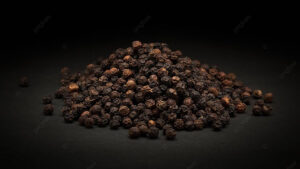
 Everyone is well aware about black pepper. But how many are aware about white pepper and Green Pepper? Primarily Pepper is divided into two families : Piperaceae ( True Black pepper) and Solanaceae (Chili Peppers). True Pepper comes from Piper Nigrum , native to the Malabar coast of India. It is also known as “Black Gold”. Pepper gets it typical bite and taste from a compound called Piperine. This compound helps the body to absorb nutrients efficiently. Whereas the Chili Black pepper belongs to Capsicum genus. Chili pepper gets it heat from capsaicin , which is found in the internal membrane of the fruit. Heat is measured in SHU ( scoville heat units).
As we know , Pepper has long been known as the “King of Spices,” not just because of its flavour, but because of the role it has played in shaping global trade, cuisine, and the spice industry itself. Even today, it remains one of the most widely traded commodities in the global spice market, forming a core part of bulk spice supply, HORECA procurement, and food manufacturing.
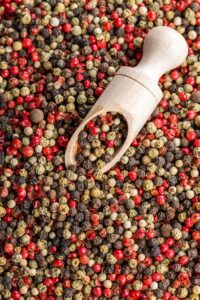
What makes pepper particularly interesting is that both black pepper and white pepper come from the same plant, yet their processing methods create two very different products, each with its own market demand and application.
Black pepper is harvested when the berries are still green and then sun-dried. This drying process develops its characteristic black colour and sharp, pungent flavour. Because of its bold profile, black pepper is widely used in restaurants, spice blends, ready-to-eat foods, and seasoning industries. It is the preferred choice for chefs who want strong heat and aroma in dishes.
White pepper, in contrast, is produced by allowing the berries to ripen fully before removing the outer skin. The result is a smoother, more subtle spice with a cleaner heat. It is commonly used in soups, sauces, continental dishes, and premium culinary applications, especially where visual appearance is important.
Beyond culinary applications, pepper has long been recognized for its medicinal and functional benefits. Traditionally, it has been used to support digestion, improve metabolism, and enhance nutrient absorption. This makes it relevant not only in kitchens but also in herbal products, nutraceuticals, and wellness formulations.
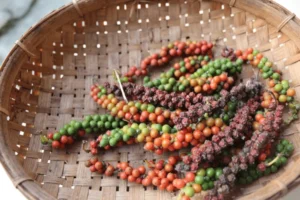 In today’s evolving market, pepper is no longer just a kitchen ingredient. It plays a key role in:
- HORECA spice sourcing
- Private label spice manufacturing
- Bulk export markets
- Food processing and seasoning industries
With increasing demand for quality spices, traceable sourcing, and consistent flavour, pepper continues to be a critical product for businesses operating in the food and spice sector.
In the next blog, we explore black pepper vs white pepper in depth, including varieties, quality differences, and how HORECA buyers evaluate pepper before bulk purchasing decisions.