Pepper Processing, Grading & Export Quality — How Professionals Choose the Right Pepper
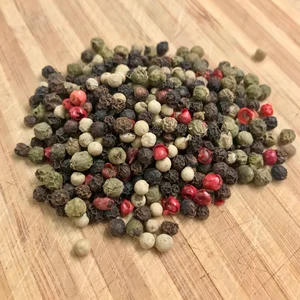
By the time pepper reaches a chef’s kitchen or a food production line, it has already gone through a long and carefully managed journey. What looks like a simple spice on the surface is, in reality, a highly evaluated agricultural product shaped by processing methods, grading systems, and export quality standards.
If you’ve ever wondered why one batch of pepper tastes vibrant and sharp while another feels dull and inconsistent, the answer usually lies in what happened before it reached you.
Let’s walk through that journey.
From Harvest to Processing — Where Quality Begins to Take Shape
Every one have same question as to how Pepper harvesting process . Let’s dive into it.
Pepper berries are harvested at different stages depending on whether they are meant to become black or white pepper. But harvesting is just the beginning. What follows is a crucial phase that defines the final quality.
For black pepper, freshly harvested green berries are cleaned and then dried—traditionally under the sun. During this process, the outer skin shrinks and darkens, forming the wrinkled texture we associate with black pepper. Proper drying is critical. If it’s uneven or rushed, the pepper may retain moisture, leading to mold or loss of aroma.
For white pepper, the process is more intensive. Fully ripened berries are soaked in water for several days so the outer skin softens and can be removed. What remains is the inner seed, which is then dried. This process gives white pepper its smoother texture and milder flavor—but it also requires careful handling to avoid off-odors or quality loss.
Regions like Kerala, known for traditional cultivation, often focus on aroma and quality, while countries like Vietnam and Brazil have developed large-scale processing systems that ensure uniformity and global supply.
Grading — The Language of Quality in the Pepper Trade
Once processed, pepper is not sold as a single uniform product. It is sorted into grades, and this is where professional buyers start paying close attention.
Grading is typically based on factors such as size, density, appearance, and cleanliness. In the industry, you may hear terms related to weight and density classifications—these indicate how heavy and mature the peppercorns are.
Heavier, denser peppercorns usually contain more essential oils. That means stronger aroma, better flavor, and higher efficiency in cooking. Lighter peppercorns may look similar but often lack intensity.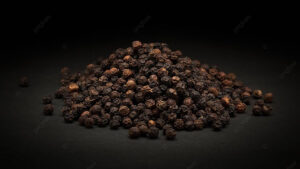
But grading is not just about size or weight. It also considers:
- How uniform the batch is
- Whether there are broken or immature berries
- The level of foreign matter or impurities
- Moisture content
For a chef or manufacturer, these factors directly affect how the spice behaves in real applications.
Export Quality Standards — More Than Just Appearance
When pepper is prepared for export, it must meet strict quality standards. Buyers across international markets expect consistency, safety, and transparency.
Export-quality pepper is usually tested for:
- Moisture levels
- Microbial contamination
- Pesticide residues
- Essential oil content
This is especially important for food manufacturers and large-scale buyers who need assurance that the product meets regulatory requirements.
In today’s market, documentation is as important as the product itself. Certificates, lab reports, and traceability details have become part of the buying process.
Because for professional buyers, it’s not just about taste—it’s about trust and compliance.
How Professionals Actually Select Pepper
are you also thinking of how to identify good Pepper?
When experienced buyers evaluate pepper, they don’t rely on a single parameter. It’s always a combination of factors.
They often start with visual inspection—checking size, color, and uniformity. Then comes aroma. Fresh, high-quality pepper releases a sharp, clean scent that is immediately noticeable.
Texture also matters. Dense, well-dried pepper feels solid and heavy in hand, while lower-quality pepper may feel lighter or brittle.
But beyond sensory checks, serious buyers look at data. They ask about origin, harvest cycle, oil content, and storage conditions.
Most importantly, they choose based on application.
A spice blend manufacturer may prioritize strong aroma and cost efficiency. A fine-dining restaurant may look for complexity and balance. A food processing company may focus on consistency across batches.
So the “right” pepper is never universal—it depends on how it will be used.
Matching Pepper to Purpose
This is where knowledge makes all the difference.
Black pepper, with its bold and sharp profile, is ideal for applications where flavor needs to stand out—gravies, marinades, seasoning blends, and grilled dishes.
White pepper, being milder and more subtle, works better in soups, sauces, and dishes where visual appearance matters.
Even within black or white pepper, different grades perform differently. A high-oil, dense pepper will deliver stronger flavor in smaller quantities, making it more efficient for commercial kitchens.
Choosing the right pepper is not about picking the best one—it’s about picking the most suitable one.
The Human Side of Spice Sourcing
Behind every batch of pepper are farmers, processors, traders, and buyers working together to bring that spice to your kitchen.
Weather conditions, harvesting practices, drying methods, and storage decisions—all of these influence the final product. That’s why two batches of pepper from different regions or seasons can taste noticeably different.
As the market evolves, buyers are becoming more aware of these nuances. They are asking better questions, seeking better quality, and building long-term relationships with reliable suppliers.
Because in the end, consistency in flavor starts with consistency in sourcing.
Closing
Pepper may seem like a small ingredient, but its impact on food is significant. Understanding how it is processed, graded, and selected gives you an edge—whether you are cooking, buying, or building a food business.
🌐 www.d-naturals.in
📩contact@d-naturals.in
FAQ
What is the main difference between black pepper and white pepper?
Black pepper is made from unripe dried berries and has a strong, sharp flavor, while white pepper is made from ripe berries with the outer layer removed, giving it a milder and smoother taste.
How do professionals choose high-quality pepper?
Professional buyers evaluate pepper based on aroma, oil content, density, size, moisture level, and consistency across batches.
Why does pepper quality affect food taste?
High-quality pepper contains more essential oils, which enhance aroma and flavor. Poor-quality pepper lacks intensity and requires more quantity.
What is the best pepper for restaurants?
Black pepper is preferred for bold flavor dishes, while white pepper is used in soups, sauces, and premium dishes where appearance matters.
How should pepper be stored?
Pepper should be stored in airtight containers in a cool, dry place away from sunlight to maintain freshness and aroma.
For more information please refer my previous article on pepper. Click on the link below.